SNOW

Level Designer · Poppermost Productions

SNOW
01 — PROJECT

Designing an open-world snowboarding game

I joined Poppermost Productions as the first dedicated Level Designer on SNOW, an open-world snowboarding and skiing game.

Before I joined, a technical artist had placed assets throughout the world to establish the visual style, but nobody had worked on the gameplay side of the levels yet.

My job was to figure out what made SNOW fun to ride, and to design areas that supported different riding styles while teaching players the core mechanics through the terrain.

02 — MY ROLE

Establishing the level design approach

As the first Level Designer on the project, I had to establish how we would approach building gameplay spaces across the open world.

I designed and built more than a dozen areas, created workflows and documentation for level creation, and worked with the wider team to balance difficulty and flow across the world.

A large part of the work was understanding how terrain could communicate to the player. Unlike a traditional level where the designer controls the player's path, SNOW gave players a huge amount of freedom over where and how they rode.

03 — DESIGN APPROACH

Different areas for different riding styles

Early on, I established the idea that different areas of the mountain should encourage different ways of riding.

Trick

Rails, gaps and freestyle features for players who wanted to focus on tricks and combos.

Speed

Long sight lines and flowing terrain designed around maintaining speed.

Technical

Tight spaces and natural obstacles that rewarded precise control.

04 — FEATURED AREAS

Designing the mountain

The Shrine

The Shrine

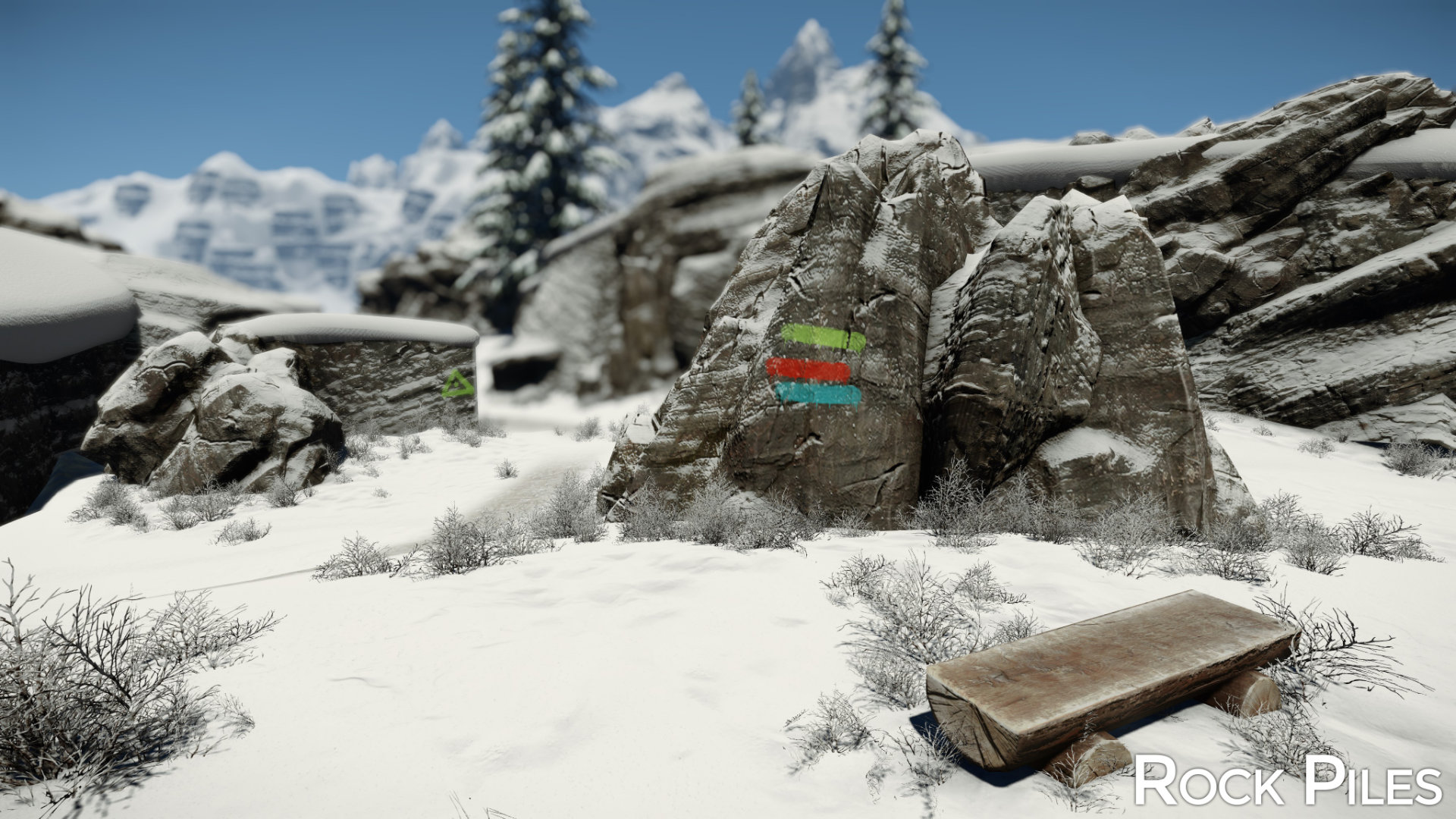
The Shrine is a tight, technical area built around turning and control. It was designed to challenge new players and teach them to brake, while giving more experienced players a riskier way down.

If you tried to go through at full speed, you would hit the rocks or go off a cliff. To get through cleanly, you had to control your speed, read the terrain ahead, and pick your line around the rocks.
Eastwater River

Eastwater River

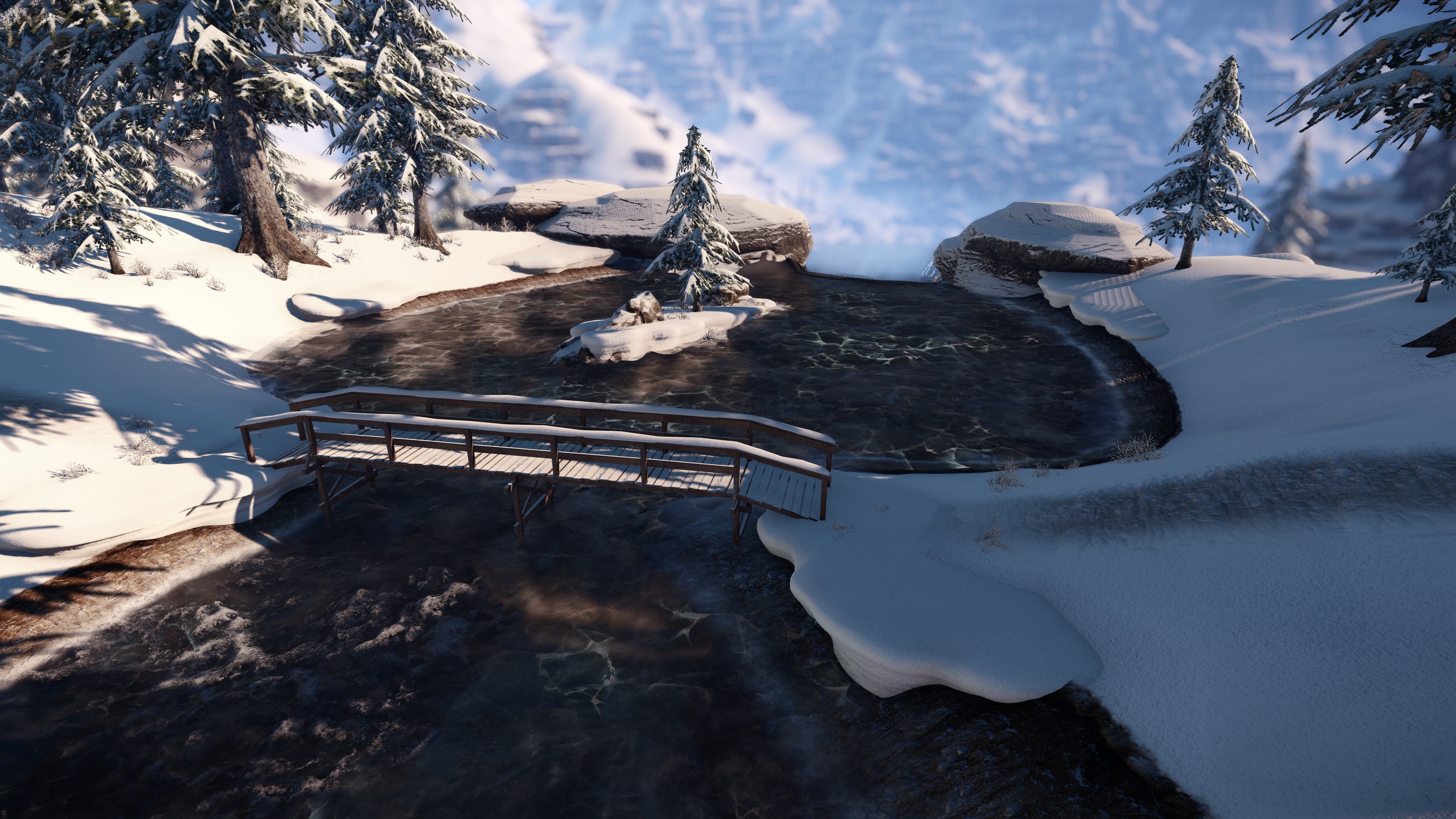
Eastwater River is a trick-focused run with rails and jumps crossing a mountain river.

The river gives the area a clear direction, while the surrounding terrain provides optional tricks and shortcuts. Players could take a safer route down either bank or attempt rail-to-rail transfers across the water for a greater challenge.

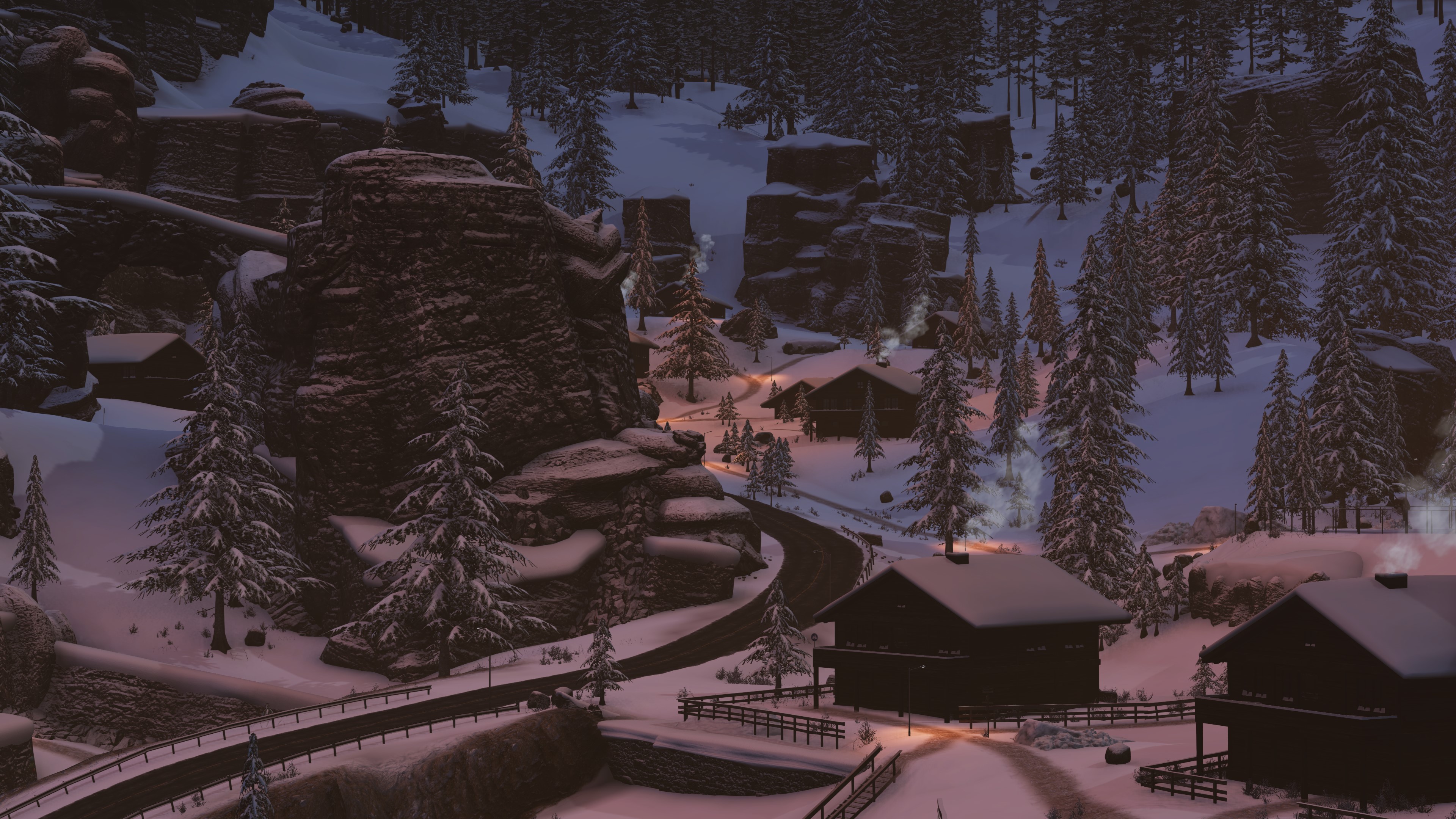
Eastwater Village

Eastwater Village

Eastwater Village is the town area, designed for technical tricks and rail combos. It provided a change of pace from the mountain areas.

I worked closely with the art team so that the buildings, fences and other structures could be ridden. I placed rails and ledges so players could link tricks together while keeping the village believable as a place.

Eastwater Quarry

Eastwater Quarry

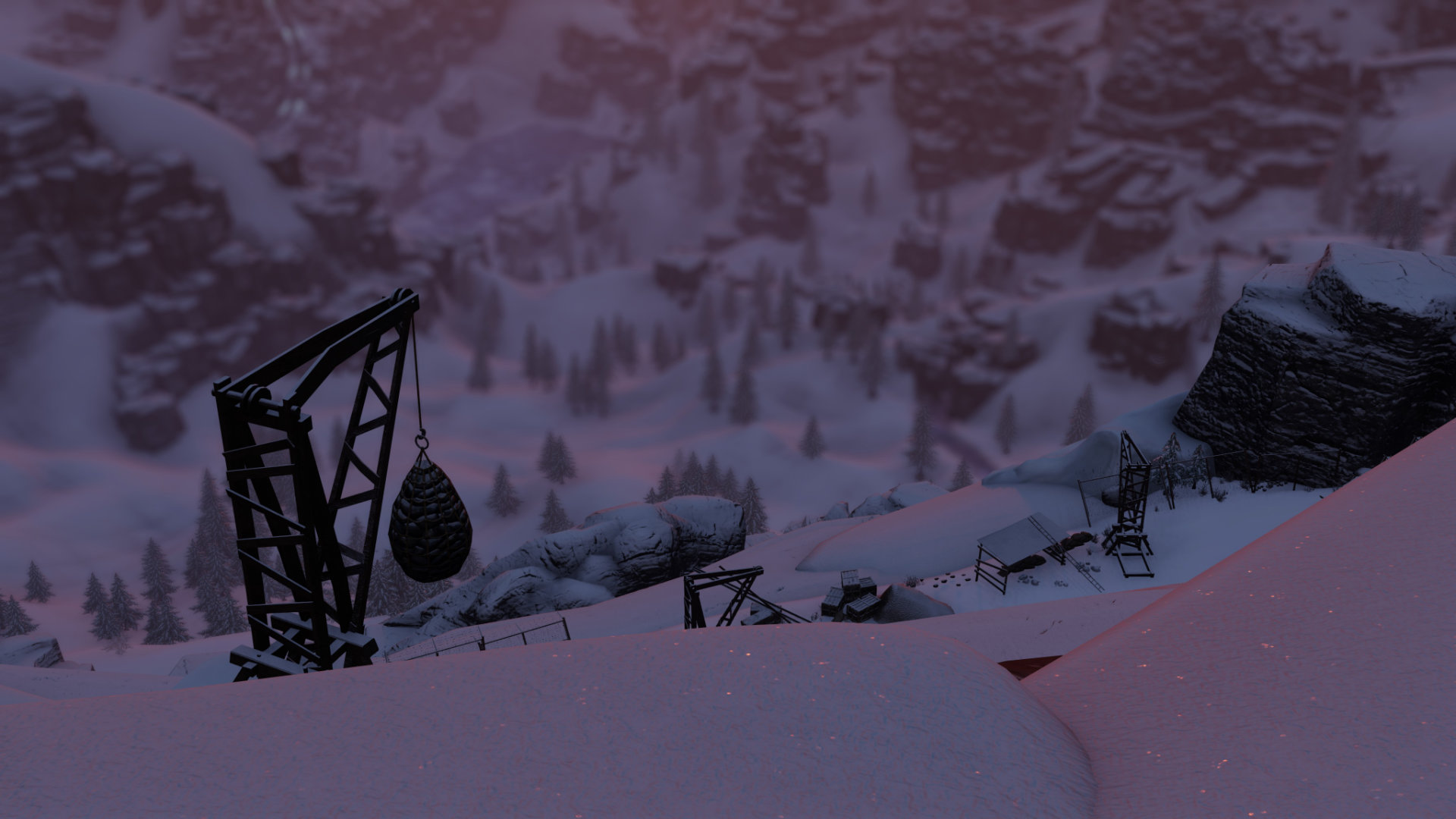
Eastwater Quarry is a speed-focused downhill area with large elevation changes. It was designed around balancing speed, turning and braking.

Long sight lines reward going fast, but tight gaps and sudden turns mean that simply holding maximum speed is not enough. The quarry is built across several tiers, giving players routes with different levels of difficulty.

05 — OTHER AREAS

Additional areas

I also designed and worked on a number of other areas across the open world:

Eastwater Forest — Natural terrain for carving
Tolv — Technical descent with natural obstacles
Moshpit Restaurant — Urban trick spot
Plane Crash — Exploration area with hidden lines
The Wave — Natural halfpipe
Bluebird Resort — Hub connecting several areas
Oleanders Vineyard — Mid-difficulty area with scenic routes
The Piste — Groomed runs for beginners
Observatory — High-altitude starting point
06 — LOOKING BACK

Designing for how people want to play

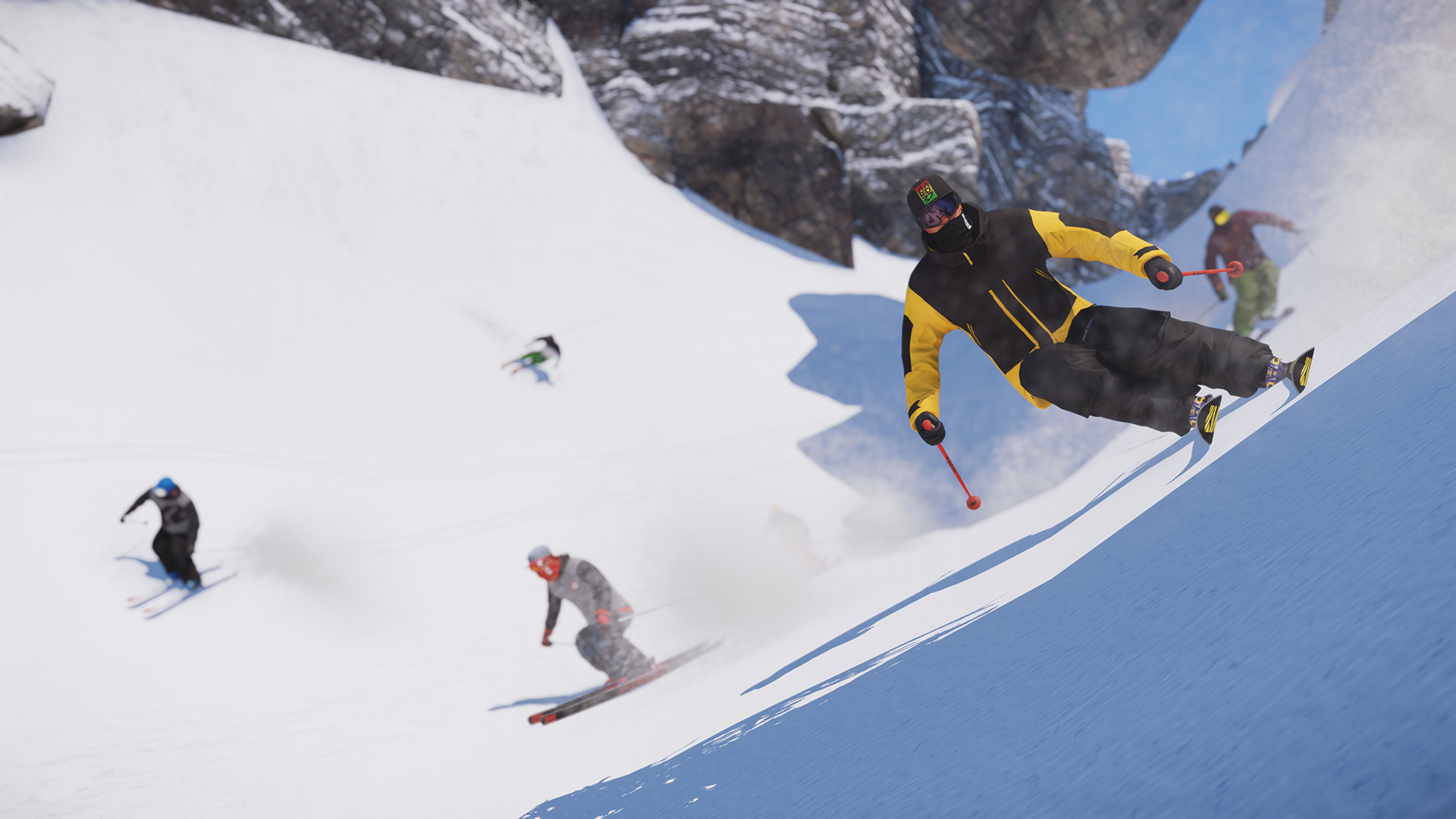
A big thing I took away from SNOW was designing areas around how people like to ride. Some players wanted big jumps, some wanted technical tricks, and some just wanted to carve down the slopes.

Being the first Level Designer on the project also meant that the workflows, documentation and design principles I established in the first few months shaped how I worked for the rest of my time there.

← Back to Portfolio